2026
Prof. Kyle C. Hartig Named Michigan Impact Professor
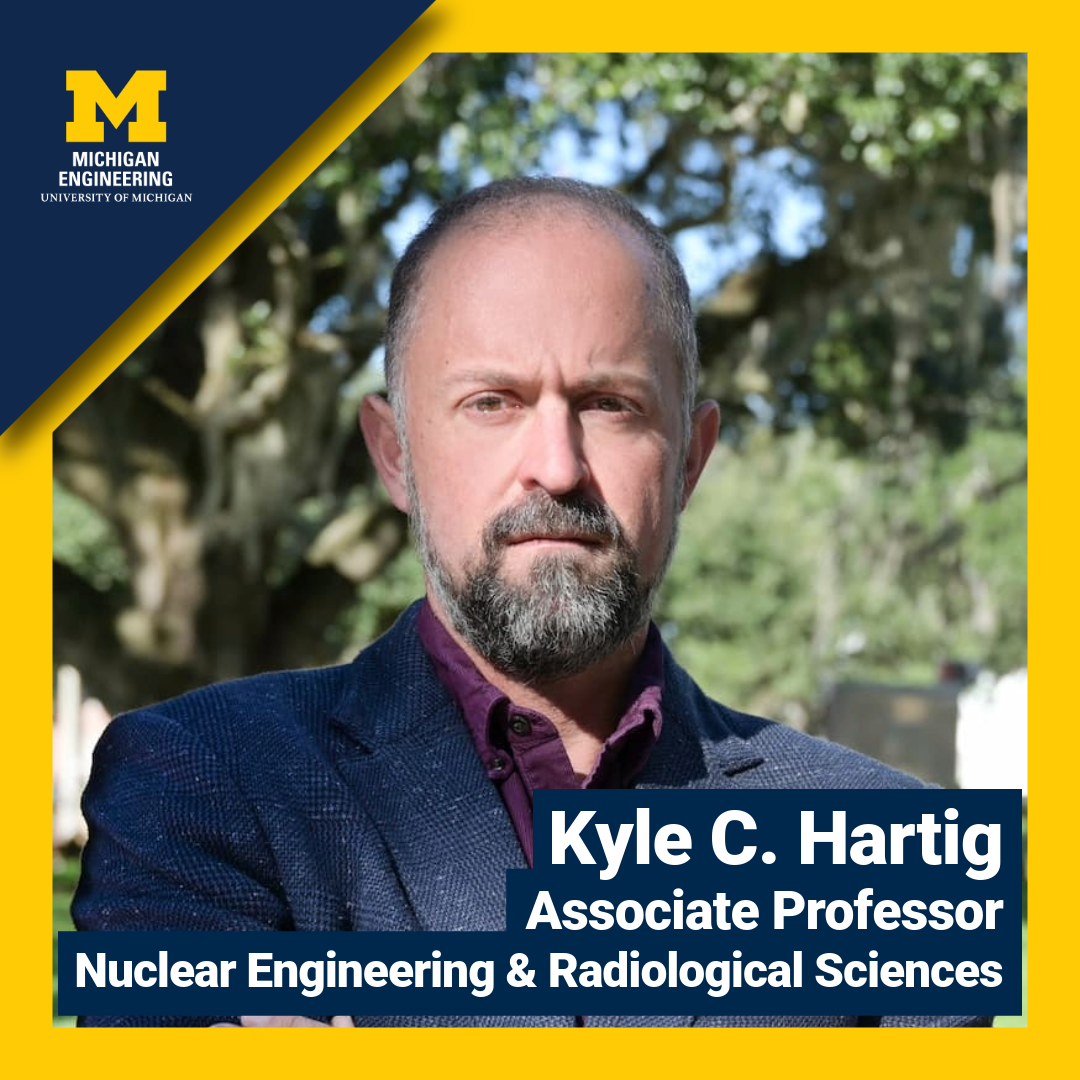
Professor Kyle C. Hartig has been appointed a Michigan Impact Professor at the University of Michigan, recognizing his leadership and contributions to advancing science and technology in support of national and global security.
The Michigan Impact Professorship is part of the University of Michigan’s Look to Michigan Faculty Expansion Program, an initiative designed to recognize and support outstanding mid-career faculty whose research addresses significant societal challenges. The five-year professorship emphasizes transformative research, interdisciplinary collaboration, and intellectual leadership in areas of strategic importance to the university.
Hartig, an Associate Professor in the Department of Nuclear Engineering and Radiological Sciences (NERS), leads the Nuclear Security and Sensing Laboratory. His research integrates advanced radiation detection, laser-based diagnostics, remote sensing, and machine learning to develop new capabilities for nuclear forensics, proliferation detection, nuclear detonation characterization, and national security. His work closely aligns with the university’s Advanced Technology impact area, particularly its commitment to translating scientific innovation into solutions that serve the public good.
The appointment reinforces Hartig’s commitment to advancing Michigan’s leadership in nuclear security research while creating new opportunities for interdisciplinary collaboration, scientific innovation, and the education and mentorship of the next generation of nuclear scientists and engineers.

Nuclear Security and Sensing Laboratory Relocates to Michigan and Expands Partnership with Argonne
Prof. Kyle C. Hartig has joined the University of Michigan Department of Nuclear Engineering and Radiological Sciences while continuing his joint appointment with Argonne National Laboratory, creating a direct bridge between university research, national-laboratory expertise, and student training.
In August 2026, Hartig joined U-M NERS as an associate professor and relocated his research program from the University of Florida. At Michigan, the Nuclear Security and Sensing Laboratory develops advanced sensing, diagnostic, and analytical methods for detecting, characterizing, and attributing nuclear materials, activities, and events. Its research spans remote sensing, radiation detection, laser-based diagnostics, machine learning, nuclear forensics, proliferation detection, nuclear-detonation characterization, space-based nuclear detection, and nuclear nonproliferation.
The move builds on Hartig’s longstanding connections to U-M through the NNSA-sponsored Consortium for Verification Technology and Consortium for Monitoring, Technology, and Verification. It also places the laboratory within NERS’ broader Radiation Measurement and Imaging research community, strengthening opportunities to connect fundamental measurement science with nuclear-security applications, policy, and mission-informed workforce development.
Hartig also holds a joint appointment in Argonne National Laboratory’s Strategic Security Sciences Division. Argonne describes the division as an applied research organization that translates scientific advances into practical security solutions. The joint appointment provides a pathway for closely coordinated U-M–Argonne research, engagement with national-laboratory scientists and mission experts, and student exposure to applied national-security challenges through collaborative research, mentoring, and internships.
Together, the relocation and joint appointment position the Nuclear Security and Sensing Laboratory to expand partnerships across U-M Engineering, the national laboratories, federal agencies, and the broader nuclear-security community. The goal is to accelerate the transition of advances in sensing, nuclear-forensic analysis, and data science into capabilities that support proliferation detection, treaty verification, attribution, deterrence, and national-security decision-making.

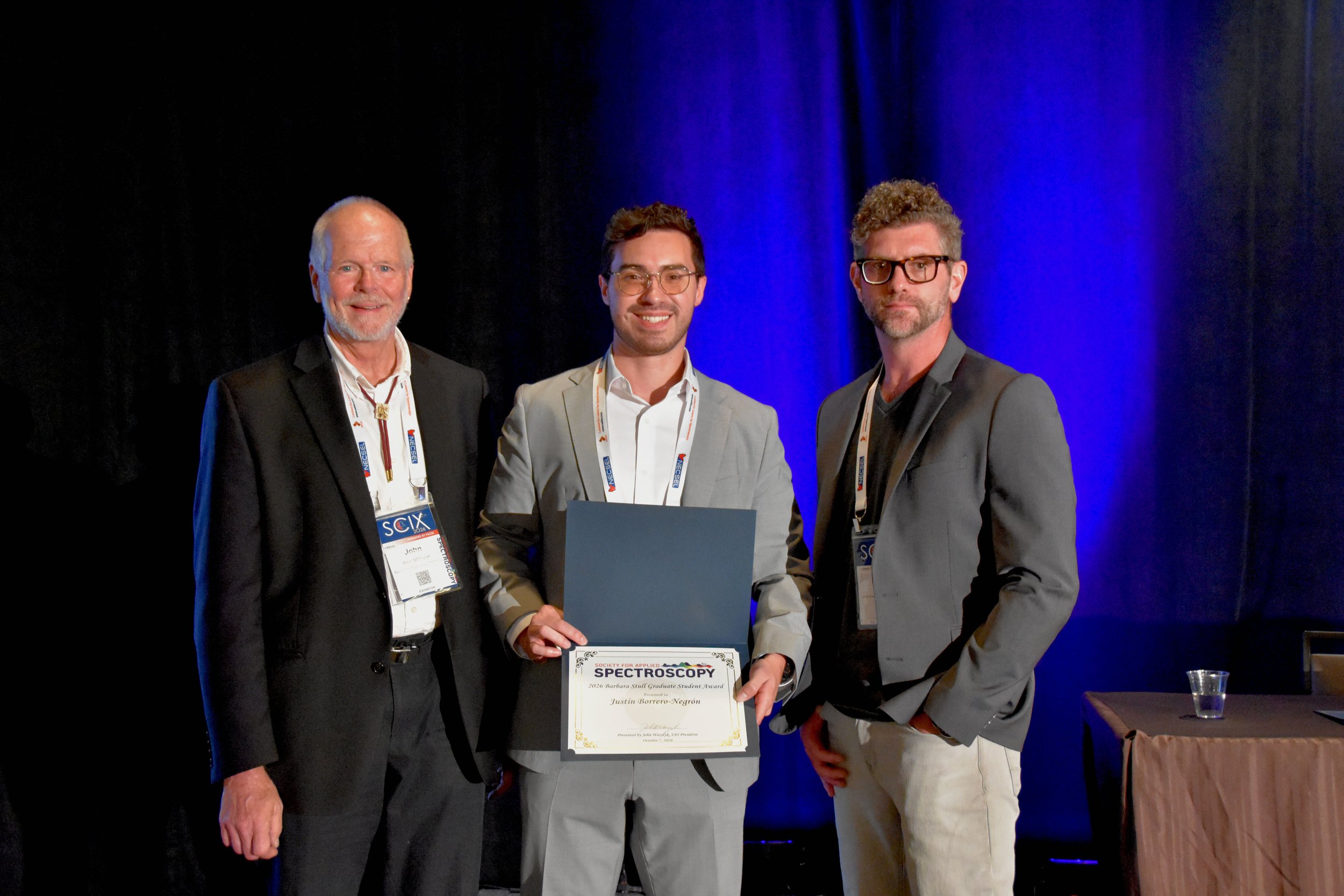
Justin Borrero awarded Society for Applied Spectroscopy Graduate Student Award
We are delighted to congratulate Justin I. Borrero-Negrón on receiving the 2026 Society for Applied Spectroscopy (SAS) Barbara Stull Graduate Student Award. Presented in recognition of outstanding graduate research in spectroscopy, this prestigious honor highlights Justin’s exceptional contributions as a Ph.D. candidate in the Optical Science Group at the University of Florida.
Justin’s research advances laser-based spectroscopic diagnostics for laser-induced plasmas, with applications in material characterization, nuclear forensics, and nonproliferation. His work spans machine-learning-enhanced laser-induced breakdown spectroscopy, single-particle optical trapping, and studies of plasma dynamics and chemical reaction pathways using optical emission spectroscopy and laser-induced fluorescence. We are incredibly proud of Justin and pleased to see his innovative research recognized by the spectroscopy community.
We are incredibly proud of Justin and pleased to see his innovative research recognized by the spectroscopy community. Justin’s achievement will be formally recognized at the 2026 SciX Conference.

Justin Borrero-Negrón Visits Nuclear Research and Energy Facilities in Japan
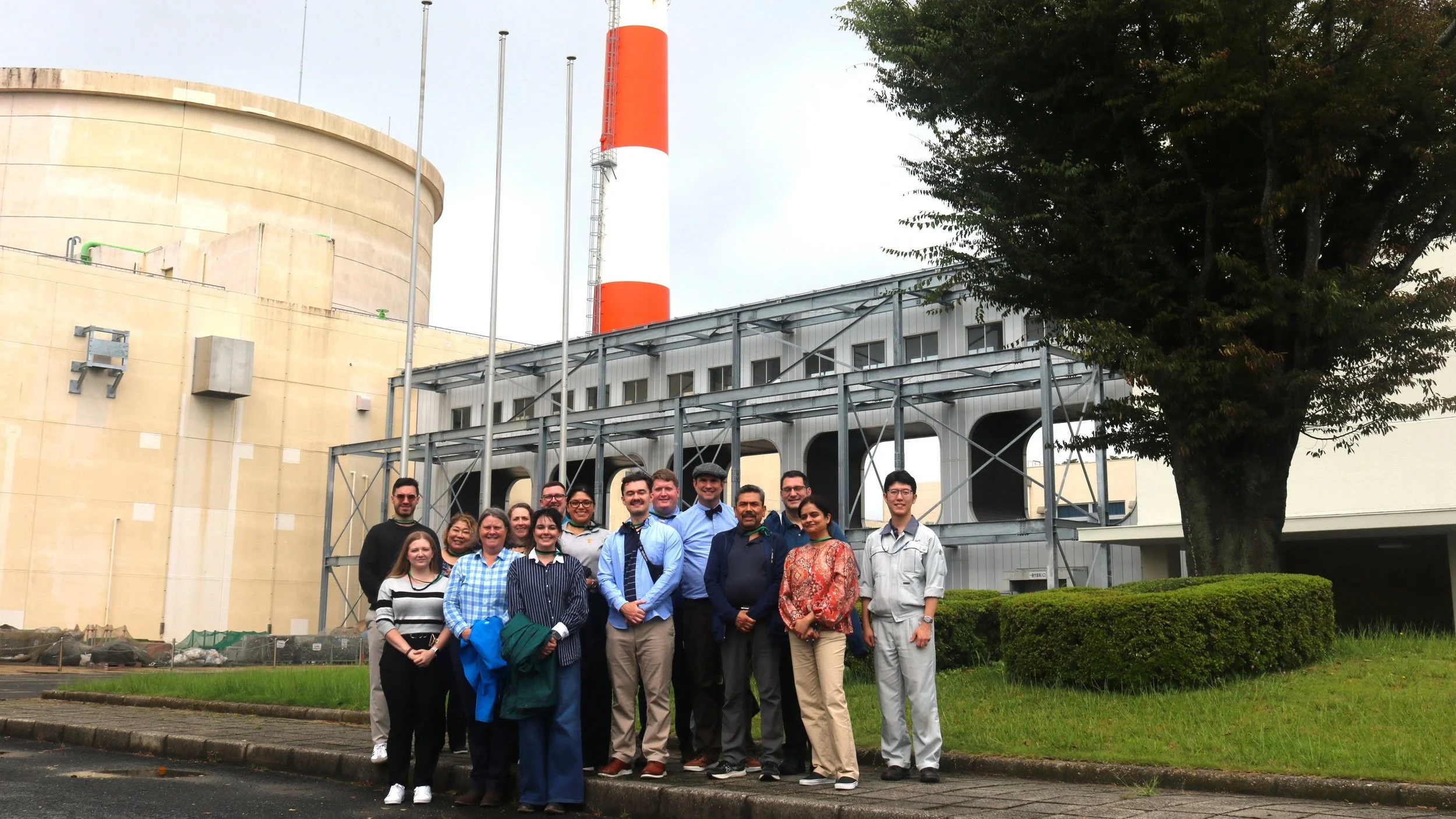
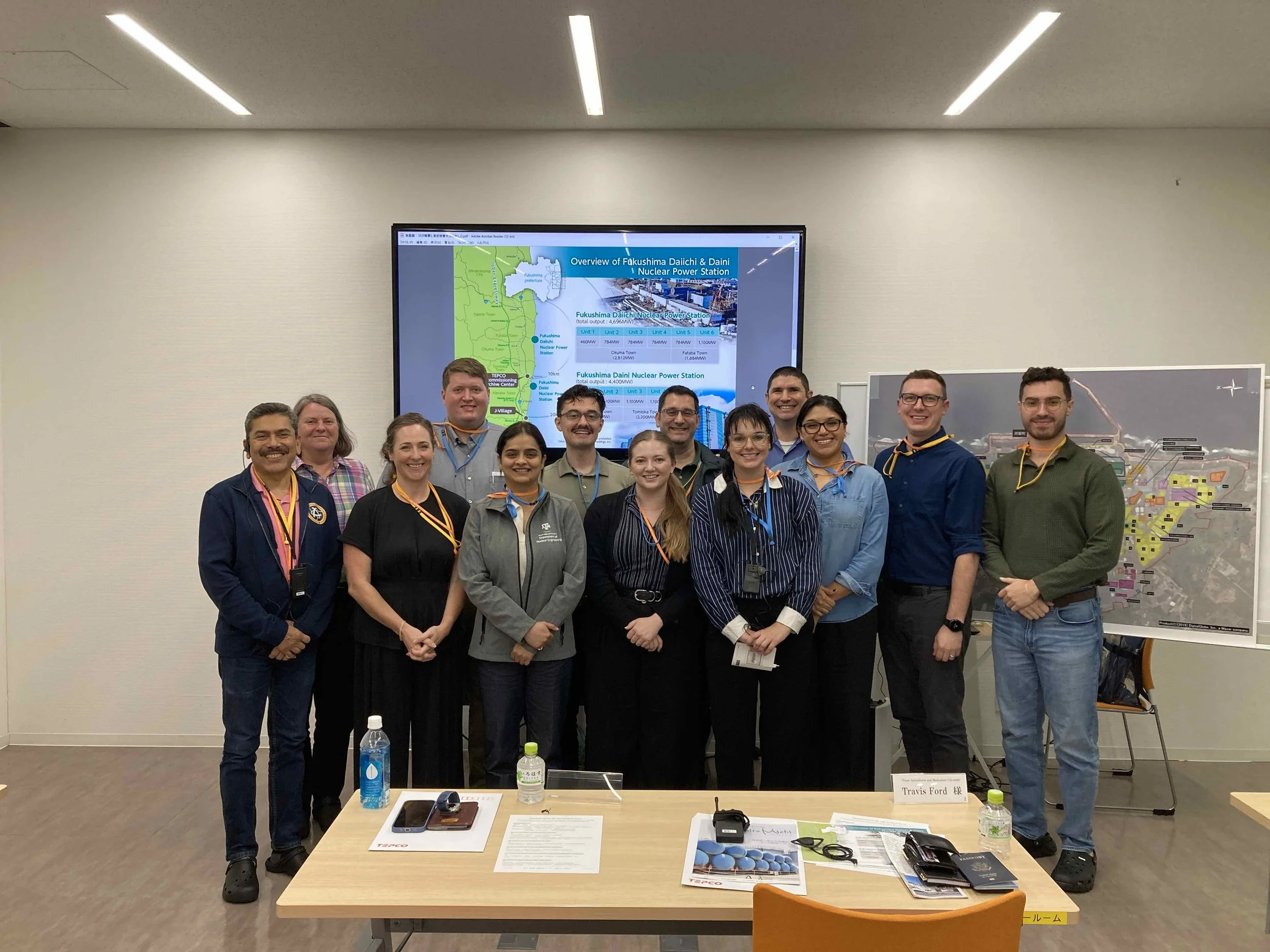
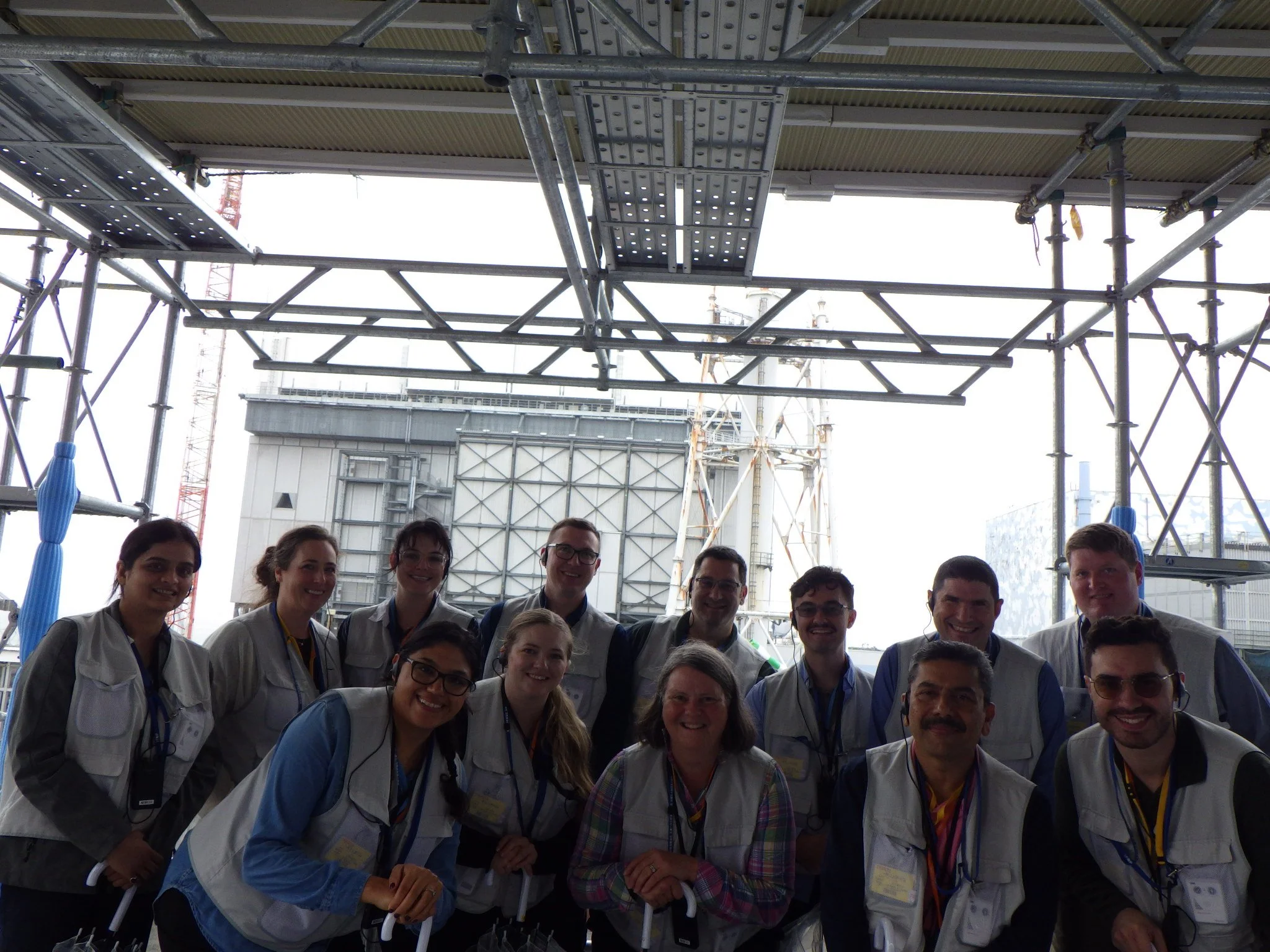
Nuclear Security and Sensing Group doctoral student Justin Borrero-Negrón recently participated in a technical tour of nuclear facilities in Japan, gaining firsthand insight into the country's nuclear research, reactor operations, and ongoing decommissioning efforts.
As part of the visit, Justin toured the High Temperature Engineering Test Reactor (HTTR) operated by the Japan Atomic Energy Agency (JAEA), where participants learned about Japan's advances in high-temperature gas-cooled reactor technology. The group also visited the Fukushima Daiichi Nuclear Power Station, where they received technical briefings on the 2011 nuclear accident, ongoing decommissioning activities, and the engineering challenges associated with site characterization, remediation, and long-term recovery.
The experience provided a valuable opportunity to engage with Japanese nuclear professionals and fellow researchers while exploring the practical challenges of nuclear safety, advanced reactor technologies, and post-accident management.
These international technical exchanges strengthen the NSS Group's commitment to advancing nuclear science and engineering through firsthand experience, global collaboration, and engagement with real-world nuclear challenges.
OSN Students Showcase Nuclear Forensics and Verification Research at INMM 2026
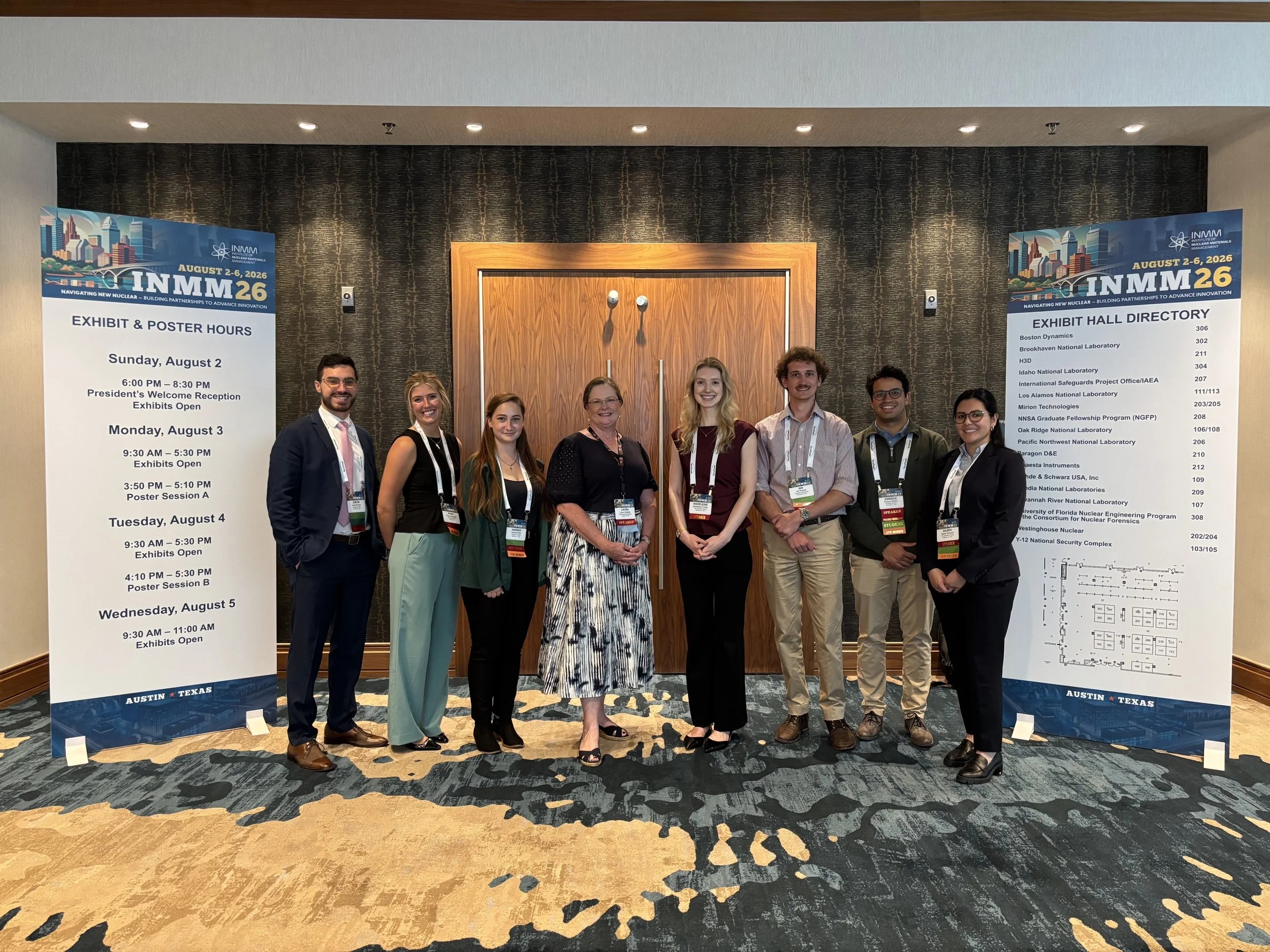
Four students from the Optical Science and Nonproliferation (OSN) group presented five research projects at the 67th Annual Meeting of the Institute of Nuclear Materials Management (INMM), held August 2–6, 2026, in Austin, Texas. Their work spanned nuclear forensics, laser spectroscopy, radiation detection, space-based verification, and emerging safeguards challenges for fusion energy.
Justin Borrero-Negrón presented research on the chemistry and hydrodynamics of laser-produced plasmas. Using planar laser-induced fluorescence, his work tracked aluminum and aluminum oxide during plume expansion, collapse, and mixing. The results showed that oxygen originating in the target can influence early aluminum oxide formation, while oxygen in the surrounding atmosphere plays a larger role in overall oxidation. The measurements also provide experimental data for validating multiphysics models of energetic events.
Hannah Patz presented work on digital autoradiography for rapid nuclear-forensics measurements. Her research uses a two-layer scintillator imaging system to simultaneously detect and distinguish alpha and beta particles based on characteristics such as event size and intensity. Future work will incorporate machine-learning methods and address detector saturation and event pileup in higher-activity samples.
Mateo Halka explored the emerging challenge of verifying nuclear systems in space. Using Geant4 radiation-transport modeling, his work investigates how energetic orbital protons interact with nuclear material and ordinary spacecraft structures. Initial results show that spacecraft materials can generate secondary neutron signatures that may obscure or mimic signals associated with special nuclear material, highlighting the need for verification approaches that combine multiple sources of evidence.
Paige Anderson presented two projects. The first develops a physics-informed model for simulating complex laser-induced breakdown spectroscopy spectra for nuclear-forensics applications. The framework combines plasma physics, radiative transfer, instrument response, and experimental noise, with the long-term goal of improving spectral interpretation and extending the approach to actinide analysis.
Her second presentation examined verification challenges associated with the emerging lithium-6 and tritium fuel cycle for commercial fusion energy. The work proposes developing material-accountancy methods, validated forensic reference signatures, and governance approaches alongside future fusion facilities rather than adding verification measures after plant designs are established.
Together, the five projects highlight the breadth of OSN research and its focus on connecting fundamental measurement science with practical nuclear-security challenges. The students’ participation at INMM 2026 reflects the group’s broader mission to develop new sensing, modeling, and verification tools while training the next generation of researchers in nuclear forensics, safeguards, and nonproliferation.
Hannah Patz to Represent UF and CNF on INMM Student Pipeline Panel
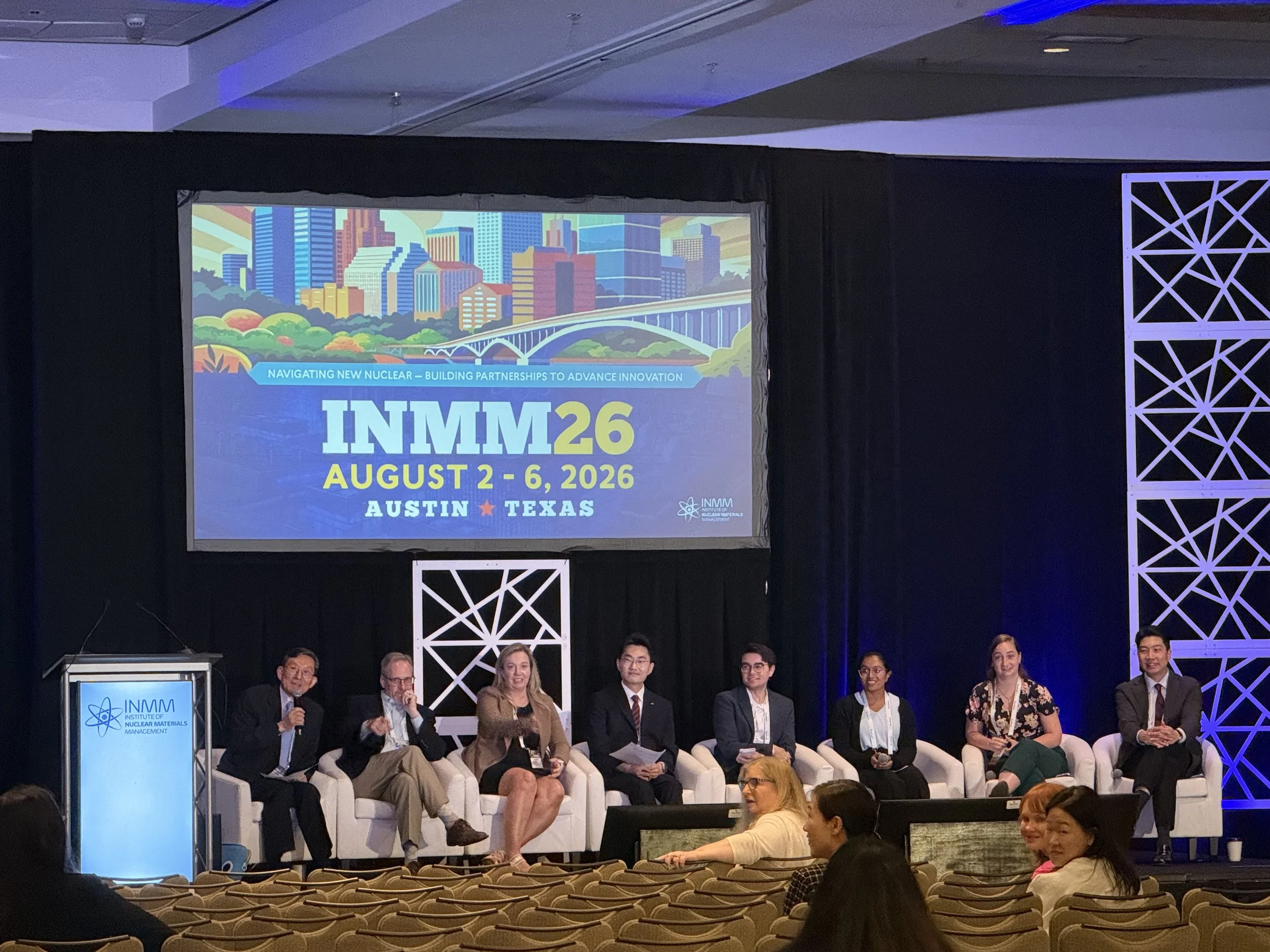
On August 3, 2026, group member Hannah Patz will represent the University of Florida and the Consortium for Nuclear Forensics on the panel “Cultivating the Next Generation: Student Chapters and the INMM Pipeline.” The session will bring together students, faculty, international nuclear-security professionals, and national laboratory representatives to discuss how student chapters and academic consortia can strengthen the workforce pipeline for nuclear safeguards, security, and nonproliferation. Hannah will share a student perspective on the professional-development, networking, and career opportunities created through student organizations and nuclear-security consortia, highlighting the value of connecting emerging researchers with universities, national laboratories, and mission-focused organizations.
Enrique Medici and Hannah Patz Named 2026 TRAINS Fellows
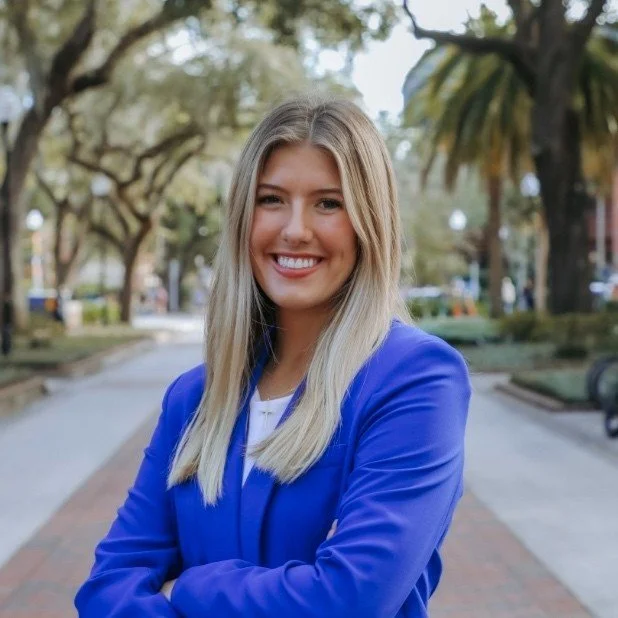
Optical Science and Nuclear Detection Group member Paige Anderson has founded the National Security Club at the University of Florida and serves as its president. Affiliated with the Florida Institute for National Security (FINS), the club brings together students from across disciplines who share an interest in national security, defense, research, policy, and public service. Through professional speakers, discussions, networking, and collaborative events, the organization helps students explore national-security challenges and related career paths.
The club’s mission complements our group’s commitment to workforce development and the broader policy implications of science and engineering. By connecting technical students with peers and professionals from government, academia, and industry, Paige and the club’s leadership team are helping prepare emerging professionals to address complex security challenges at the intersection of technology, policy, and public service.
Learn more: National Security Club at UF or follow the club on LinkedIn.
Key Collaborator Capt. (Dr.) Ashwin Rao Receives AFRL Early Career Award
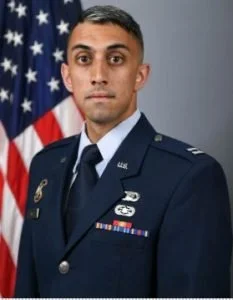
Capt. (Dr.) Ashwin Rao, a key collaborator with our research group and mentor to Justin Borrero and Paige Anderson, received the 2025 Air Force Research Laboratory Science and Engineering Early Career Award. One of AFRL’s highest honors for emerging scientists and engineers, the award recognizes exceptional early-career accomplishments that advance the laboratory’s core missions. Rao became the first uniformed officer—and the only uniformed scientist in AFRL history—to receive the distinction. He was formally recognized with the other award recipients during a March 2026 ceremony at the National Museum of the United States Air Force.
As Chief of the Nuclear Science Section within AFRL’s Nuclear Missions Branch, Rao leads research spanning hypersonic sensing, plasma spectroscopy, nuclear environments, and nuclear modernization. His accomplishments include helping revitalize the Prometheus Re-entry Testbed and leading the Optical Sensing of Plasmas in the Re-entry Environment experiment, which produced pioneering measurements of radiative emissions during atmospheric reentry. Beyond these technical achievements, his collaboration and mentorship have created valuable research opportunities for our students and strengthened connections between university research, workforce development, and AFRL’s national-security mission.
Read the official AFRL award announcement.
Justin Borrero Selected for International Nuclear Facilities Experience in Japan
Group member Justin I. Borrero-Negrón has been selected to participate in Texas A&M University’s International Nuclear Facilities Experience in Japan. The competitive program gives graduate students and early-career national laboratory professionals an opportunity to examine the application of nuclear safeguards and security at international fuel-cycle facilities. Program highlights include visits to the Plutonium Fuel Development Facility, Tokai Reprocessing Center, Rokkasho Reprocessing Plant, and Fukushima Daiichi Nuclear Power Station, where participants will learn about ongoing cleanup efforts. The experience also includes discussions with students and faculty from the Academy of Global Nuclear Safety and Security at the Tokyo Institute of Technology, as well as a visit to Hiroshima Peace Memorial Park and the Peace Memorial Museum and a presentation from a survivor of the atomic bombing. Through these technical, academic, and historical experiences, Justin will gain a broader perspective on nuclear safeguards, facility operations, international collaboration, and the human dimensions of nuclear science and security.
Learn more about the International Nuclear Facilities Experience.
Hannah Patz Presents Autoradiography Research at IWORID 2026
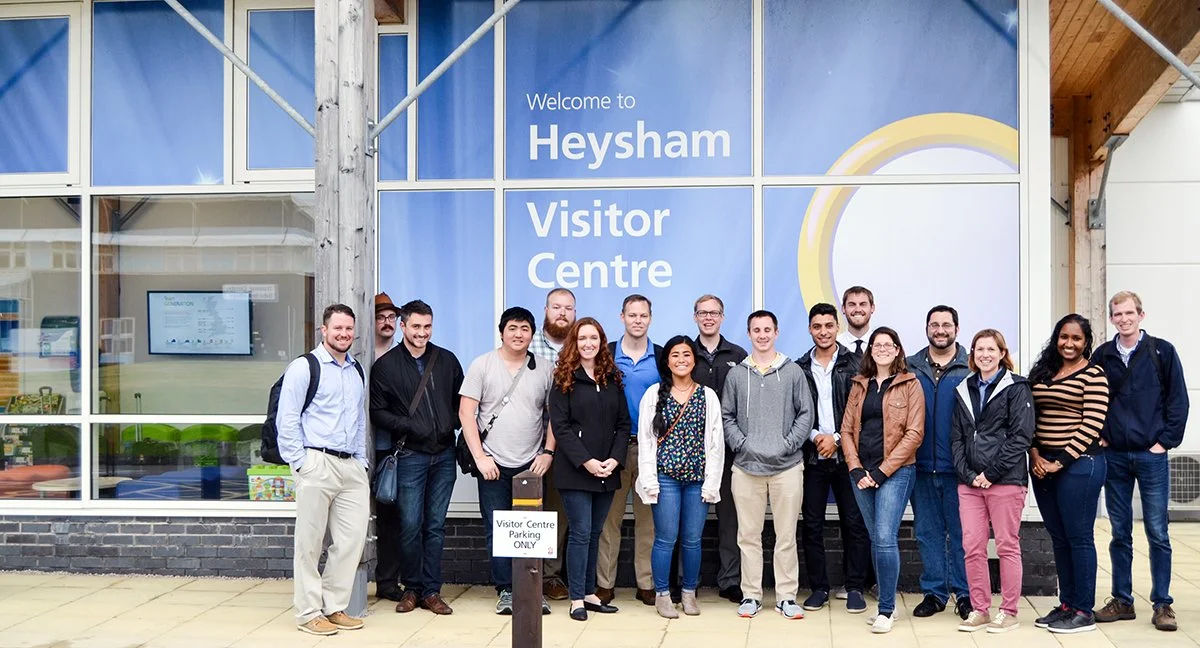
Optical Science and Nuclear Detection Group member Hannah Patz presented her research at the 27th International Workshop on Radiation Imaging Detectors (IWORID 2026), held in Ghent, Belgium. Her poster, “Image Processing Based Particle Discrimination with a Digital Autoradiography System Using Thin Film Scintillators,” was featured in the workshop’s session on sensor materials, device processing, and detector technologies.
Hannah’s research uses image-processing methods with an ionizing-radiation Quantum Imaging Detector, or iQID, to distinguish different types of radioactive particles. By recording the location, timing, and shape of individual scintillation events, the system can represent multiple forms of radiation within a single autoradiographic measurement. This capability could improve the analysis of complex radioactive samples in nuclear forensics, environmental monitoring, decontamination, and medical physics.
View the presentation listing in the IWORID 2026 program.
Eric Realmuto Receives ROTC Silver Medal of Merit
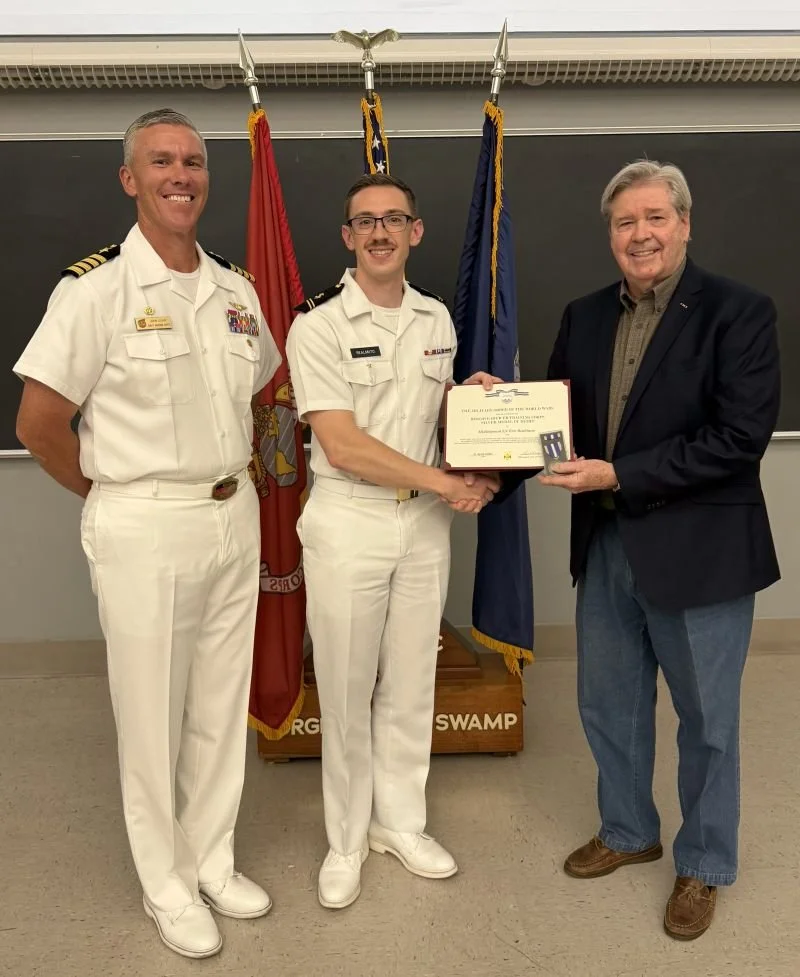
Group member Eric Realmuto has received the ROTC Silver Medal of Merit from the Military Order of the World Wars in recognition of his development and accomplishments within the University of Florida Naval ROTC program. The honor reflects the dedication, mentorship, and experiences that have shaped his growth as a midshipman and emerging leader. Eric credits the officers, mentors, and fellow midshipmen who have continually challenged him to improve and uphold a high standard of excellence, and he looks forward to building on these experiences as he continues developing his leadership skills during the coming year.
OSN Students Participate in multiple Summer 2026 Internships
During summer 2026, six group members are gaining hands-on experience at five U.S. national laboratories and the Air Force Technical Applications Center. Undergraduate student Charles Dalton is working at Oak Ridge National Laboratory (ORNL), where he is using optical techniques to characterize molten salts. This research supports the development of measurement approaches for chemically complex, high-temperature materials relevant to advanced nuclear-energy systems. At Lawrence Berkeley National Laboratory (LBNL), M.S. student Paige Anderson is applying data-science methods to laser-based remote sensing, with an emphasis on improving the interpretation and classification of optical signals associated with nuclear materials and activities. Enrique Medici is working with the Air Force Technical Applications Center’s 23rd Analysis Squadron through his SMART Scholarship-for-Service fellowship, gaining mission-focused experience at the intersection of nuclear engineering, data analysis, and national-security monitoring.
Illian Carncross is conducting research at Savannah River National Laboratory (SRNL), supporting the optical characterization of materials and processes associated with tritium operations. Optical measurements offer valuable opportunities to assess these materials while reducing the need for extensive physical sampling and handling. At Argonne National Laboratory (ANL), Mateo Halka is contributing to Atom Trap Trace Analysis research involving argon detection, laser excitation, and trapping-source development. ATTA uses precisely tuned lasers to identify and capture individual atoms, enabling the detection of extremely rare isotopes. Eric Realmuto is participating in the ROTC internship program at Lawrence Livermore National Laboratory (LLNL), where he is supporting nonproliferation research involving additive manufacturing and its implications for emerging nuclear-security challenges. Collectively, these internships allow students to translate their academic training into practical capabilities while contributing to important national missions in energy, safeguards, nonproliferation, and security.


Justin Borrero Publishes First-Author Research on Aluminum-Plasma Oxidation
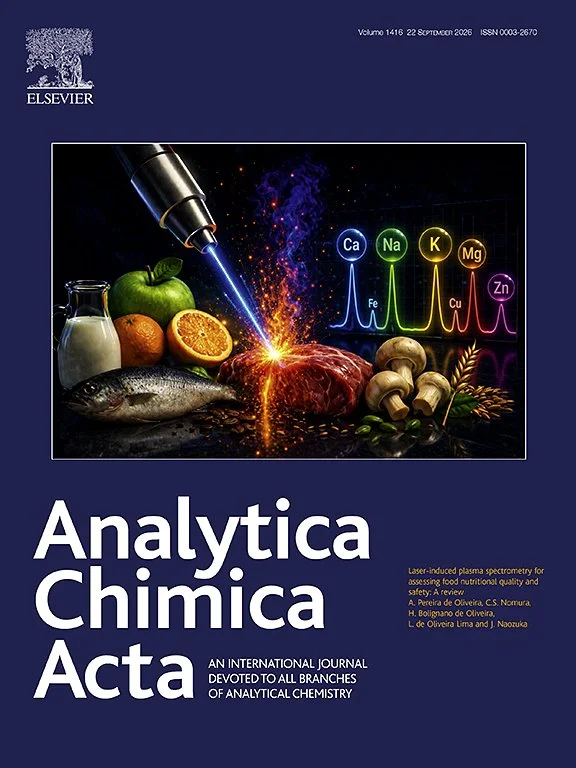
Optical Science and Nuclear Detection Group member Justin I. Borrero-Negrón has published first-author research in Analytica Chimica Acta with Professor Kyle C. Hartig. The article, “In Situ Imaging of Oxidation Dynamics within Aluminum Laser Induced Plasmas,” examines how aluminum and aluminum oxide form, move, and interact within an expanding laser-produced plasma. The researchers combined fast-gated emission measurements with planar laser-induced fluorescence to visualize both excited and ground-state species as the plasma evolved.
The study identified three stages of plume development—expansion, collapse, and stagnant intermixing—and revealed internal structures and oxidation behavior that conventional emission measurements cannot fully capture. These findings improve the interpretation of laser-induced breakdown spectroscopy and other laser-ablation techniques while advancing the use of laboratory plasmas as surrogates for post-detonation fireballs. The work has potential applications in analytical chemistry, nuclear forensics, and national security.
Read the paper: In Situ Imaging of Oxidation Dynamics within Aluminum Laser Induced Plasmas.
Enrique Medici and Hannah Patz Named 2026 TRAINS Fellows
Optical Science and Nuclear Detection Group members Enrique Medici and Hannah Patz have been selected for the prestigious 2026 Training in Radiological and International Nuclear Security (TRAINS) Fellowship. They were among only five graduate students selected nationwide for the highly competitive program, which recognizes academic achievement, research excellence, and a strong commitment to advancing nuclear and international security.
Sponsored by the Nuclear Energy Agency of the Organisation for Economic Co-operation and Development, the TRAINS Fellowship connects emerging researchers with leading universities and national laboratories in the United States and Europe. Enrique’s research combines nuclear engineering and national security, while Hannah develops advanced detection methods for nuclear-forensics applications. Through specialized coursework, facility tours, and hands-on training, they will expand their technical expertise and build international collaborations in nuclear security, safeguards, and nonproliferation.


Enrique Medici and Kyle Hartig Contribute to CLEO 2026
Optical Science and Nuclear Detection Group members Enrique Medici and Professor Kyle C. Hartig contributed to research featured at the 2026 Conference on Lasers and Electro-Optics (CLEO) in Long Beach, California. Working with Leandro J. Frigerio and Professor Igor Jovanovic of the University of Michigan, they coauthored the conference paper “Cumulative Effects in Ultrafast Filamentation in Liquid Aerosol Media,” which was included in the CLEO 2026 Technical Digest Series.
The study investigated how ultrafast laser filaments interact with liquid aerosols, revealing transient changes in droplet-size distribution and optical transparency. Understanding these cumulative effects is important for interpreting how intense laser pulses propagate through complex atmospheric environments and could improve filamentation-based remote-sensing methods. The work highlights the group’s continuing contributions to ultrafast optics, laser–matter interactions, and advanced remote detection.
View the conference paper: Cumulative Effects in Ultrafast Filamentation in Liquid Aerosol Media — Optica Publishing Group.

UF Highlights Kyle Hartig’s Space-Based Nuclear-Detection Research
Optical Science and Nuclear Detection Group members Enrique Medici and Hannah Patz have been selected for the prestigious 2026 Training in Radiological and International Nuclear Security (TRAINS) Fellowship. They were among only five graduate students selected nationwide for the highly competitive program, which recognizes academic achievement, research excellence, and a strong commitment to advancing nuclear and international security.
Sponsored by the Nuclear Energy Agency of the Organisation for Economic Co-operation and Development, the TRAINS Fellowship connects emerging researchers with leading universities and national laboratories in the United States and Europe. Enrique’s research combines nuclear engineering and national security, while Hannah develops advanced detection methods for nuclear-forensics applications. Through specialized coursework, facility tours, and hands-on training, they will expand their technical expertise and build international collaborations in nuclear security, safeguards, and nonproliferation.
Read the full story: How space-based sensors can detect nuclear activity — UF News